Waymo received California approvals to operate fully autonomous robotaxi service across large parts of the Bay Area, Sacramento and Southern California, allowing wider testing and, in specified zones, fare paying passengers subject to local approvals.
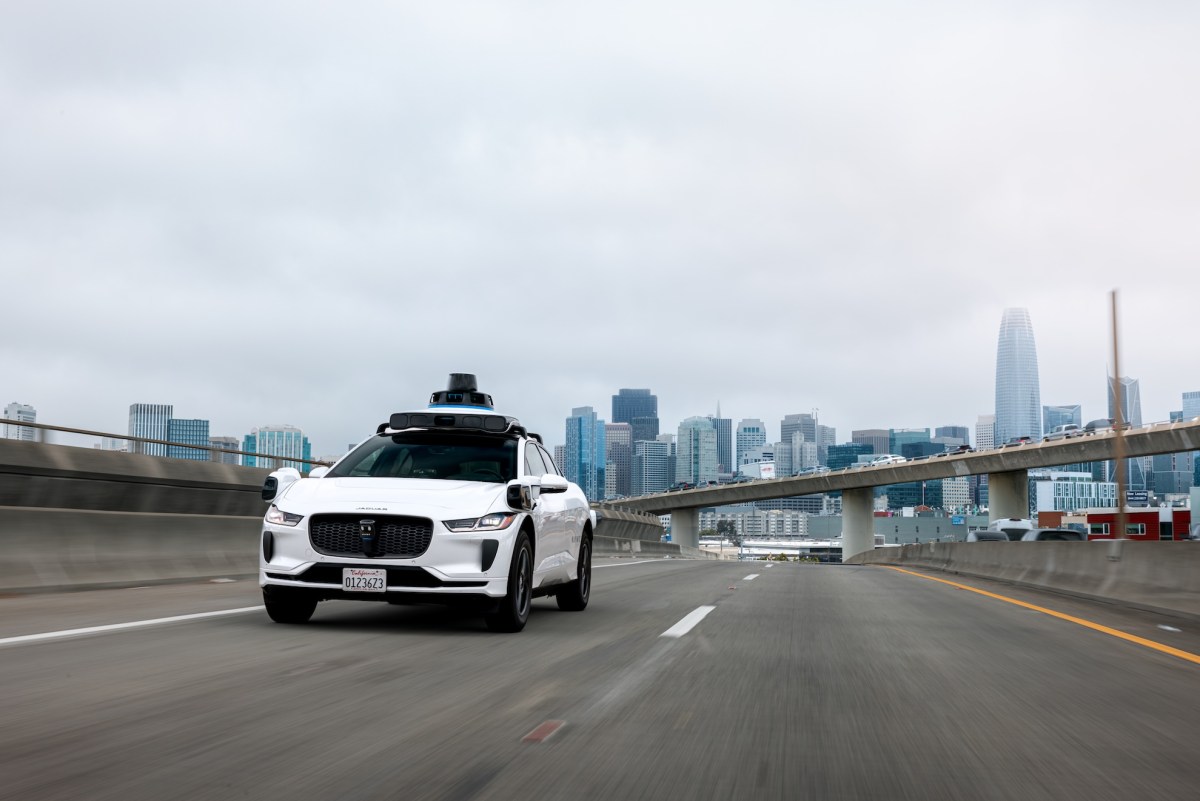
Waymo announced state level approval to operate fully autonomous vehicles across much larger parts of California, including the Bay Area, Sacramento and a broad stretch of Southern California. Filings with the California Department of Motor Vehicles and the California Public Utilities Commission allow broader testing and in specific zones carrying fare paying passengers. This marks a significant move in the robotaxi expansion and in autonomous mobility across major urban corridors.
Autonomous vehicle companies must clear multiple regulatory hurdles before operating on public roads. In California the DMV focuses on testing permits and safety compliance while the CPUC regulates passenger carrying services and business rules for ride providers. Fully autonomous here refers to vehicles that can operate without a human safety driver on board under defined conditions. Waymo has previously limited commercial robotaxi operations to smaller footprints. The new approval lifts state level barriers across a much wider geography while leaving municipal authority intact.
Operational scale and precedent The broader operating geography gives Waymo the opportunity to grow its robotaxi fleet and improve network effects. Larger coverage can increase potential rider demand unlock routing efficiencies and support a transition from isolated pilots to integrated autonomous taxi networks.
Regulatory and local politics State approval does not eliminate city level authority. Municipalities and community groups that object may still pursue conditions or limits on operations. Proposed measures that shift power to local governments will shape where driverless ride hailing can operate and under what rules.
Safety and public trust Regulators noted Waymo's on road record but public confidence remains sensitive after high profile incidents involving other companies. To build trust Waymo will need transparent safety reporting robust incident response and clear community engagement. Cities and transit advocates will press for data sharing equitable access and traffic impact analysis.
Market dynamics and competition This expansion increases pressure on rival robotaxi operators and traditional ride providers. If Waymo scales safely it could set operational norms for insurance liability and fleet electrification. Continued leadership in AI driving technology and fleet management will matter for market share.
Equity and urban outcomes Supporters argue that autonomous taxi services can reduce private car ownership and improve first mile last mile connections when integrated with public transit. Critics warn the risk of induced travel and higher vehicle miles traveled unless pricing policy and urban planning priorities are aligned.
For local audiences searching for robotaxi availability terms matter. Phrases like "robotaxi service in San Diego" "Waymo One availability" and "autonomous taxi near me" reflect high intent queries. Content that answers how to book robotaxi rides where services operate and what safety measures are in place will perform well. Emphasize keywords such as robotaxi autonomous vehicles driverless Waymo autonomous mobility and Level 4 autonomous in service pages and landing pages for new city launches.
California's approvals for Waymo represent a major regulatory milestone for driverless taxis and a test of how state level authorization interacts with local governance public trust and urban planning. For city leaders and businesses the practical advice is to engage with autonomous providers on safety protocols equitable access and traffic management. As Waymo expands its robotaxi service across larger parts of the state the central question is whether cities companies and communities can align on rules that make autonomous mobility safe fair and useful.