Waymo received regulatory approval to operate fully autonomous robotaxis across expanded Bay Area and Southern California corridors. The move marks a shift from limited pilots to broader on demand driverless rides, raising questions about mapping, safety oversight, and workforce impacts.
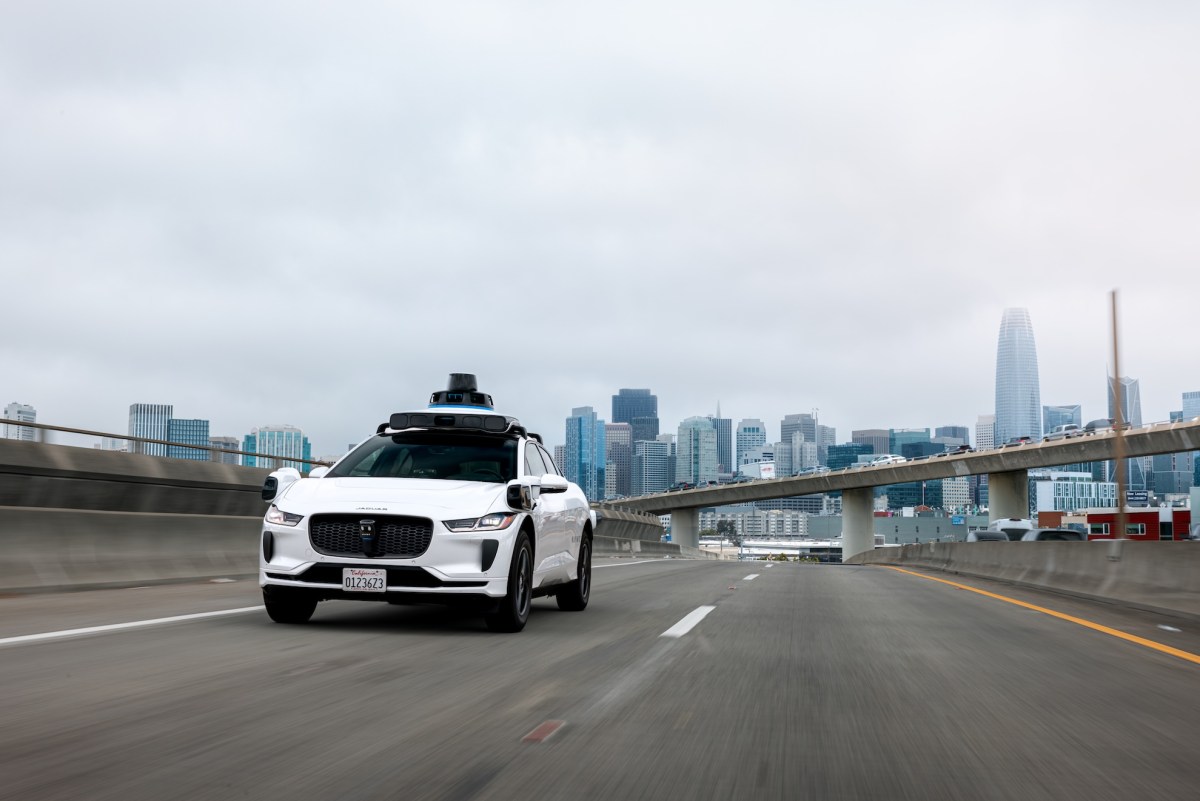
Waymo announced on Nov. 22, 2025 that it is officially authorized to operate fully autonomous robotaxis across much larger parts of California. New coverage adds the East Bay, the North Bay, and Sacramento in the Bay Area and opens a coastal corridor from Santa Clarita down toward San Diego.
This expansion is more than a simple geographic increase. It signals a move from tight pilots to a model that could make on demand driverless rides available to many more commuters, residents, and small business owners across multiple urban corridors. For readers asking Where can I ride a Waymo in California, the answer now includes more Bay Area neighborhoods and a long coastal route to San Diego.
Regulatory approval matters because autonomous vehicle deployments require validated maps, sensor calibration, and documented operational rules. Fully autonomous in this context means a vehicle can perform the driving task without a human safety driver on board while operating within approved areas and conditions. Waymo combines high definition mapping, lidar radar and cameras, plus years of real world testing to meet regulators standards.
For commuters this can translate into new options for routine trips and airport runs. For small businesses it can mean pilots for last mile delivery and more predictable logistics in covered zones.
There are several practical effects to watch as driverless services scale. First mile last mile connections may be easier to plan, but cities will need to rethink curb management and designate clear pick up and drop off areas. Transit agencies can explore partnerships that use robotaxis to feed high capacity routes rather than replace them.
Mapping and real time updates become central. Scaling beyond pilot neighborhoods requires continuously refreshed maps and coordination on signage and data sharing so human drivers pedestrians and micromobility users coexist safely with autonomous fleets.
Broader operations test local regulatory frameworks. Officials will look for clear metrics on incident reporting disengagements and response times when human oversight is required. Transparent performance data can help build public trust and inform recertification procedures.
As robotaxis move from pilots to wider availability the nature of driving work will change. Waymo stresses reassigning human labor to complex cases and customer support but impacts on gig economy drivers and logistics jobs will vary by community. Local workforce planning can help smooth transitions and create new roles in fleet operations and customer success.
Wider service areas make AVs more visible in daily life which can either build trust through reliable service or increase scrutiny if incidents occur. The true test will be rider adoption for routine trips and user reviews of freeway robotaxi rides and urban pickups.
Safety depends on operational design mapping testing and local traffic complexity. Waymo emphasizes testing in the newly authorized zones and regulatory compliance but communities should track incident and performance reports.
Waymo and local agencies will need to negotiate curb access and pickup zones. With expanded coverage more airports and transit hubs are candidates for on demand robotaxi service.
Robotaxis can provide flexible feed service to rail and bus corridors addressing last mile gaps when coordinated with transit agencies and managed curb access.
Waymo's approval to operate fully autonomous robotaxis across expanded Bay Area and Southern California corridors is a meaningful step from pilots toward mainstream availability. The move increases potential access for residents and businesses while raising important questions about mapping infrastructure safety oversight and workforce impacts. Policymakers operators and community leaders should use this moment to set clear data driven rules for performance and coordination so the benefits of on demand autonomous mobility are realized while risks are managed.
As robotaxis become more common on city streets the coming months will show whether scaled autonomy can deliver reliable equitable mobility at metropolitan scale.