Waymo received regulatory authorization to operate fully driverless robotaxis across a larger area of California including the Bay Area and parts of Southern California. The move shifts operations from pilot corridors to broader commercial scale deployments and raises questions on safety, curb management, pricing, and partnerships.
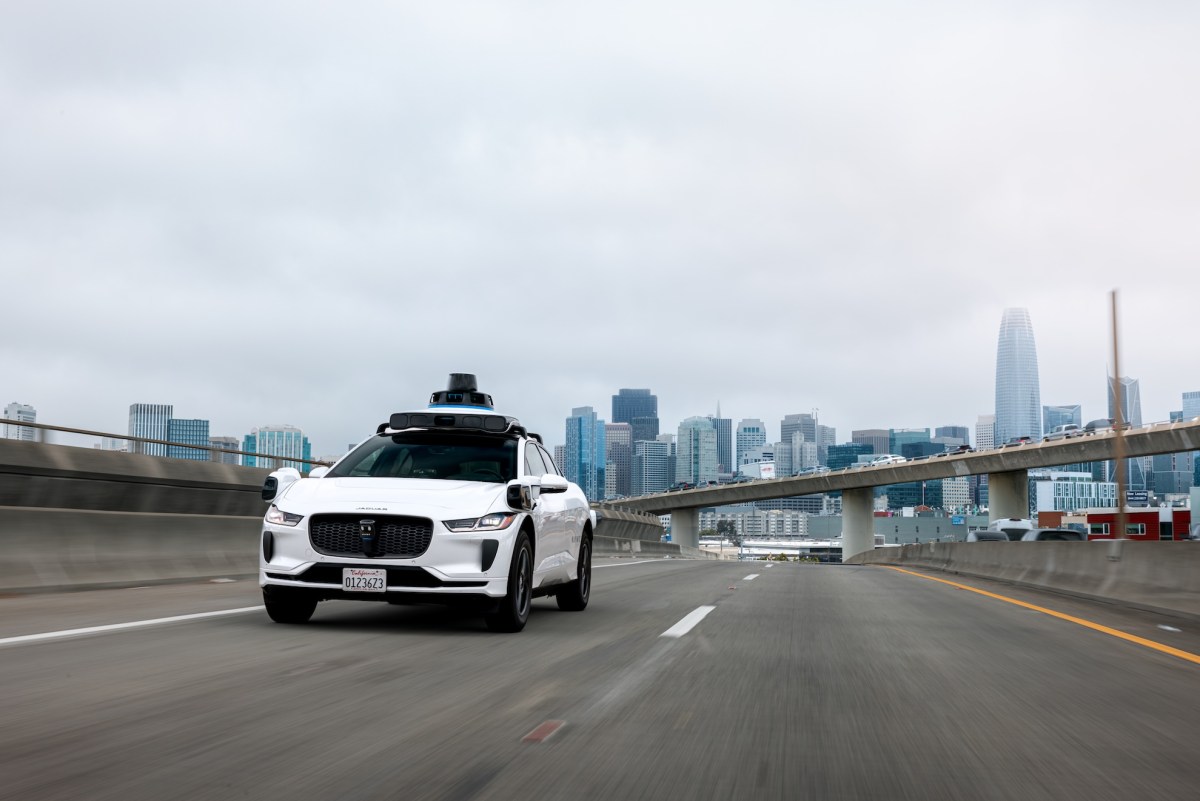
Waymo announced it has been granted regulatory authorization to operate fully driverless vehicles across a much wider area of California, including the Bay Area and parts of Southern California. The update, shared in late November 2025, marks a move from narrow pilot corridors toward broader commercial scale robotaxi service on public roads. This Waymo robotaxi service expansion update could be a turning point for autonomous vehicle automation and the future of urban mobility.
Regulators and municipal partners have approached driverless vehicle programs with caution because of public safety concerns, technical complexity, and local logistics such as curb access and traffic rules. Until now many autonomous vehicle operators ran limited pilots or used safety operators on board. Here, fully driverless means vehicles may operate without an onboard human operator in defined geographies and conditions after validated software, precise mapping, and coordination with state and local authorities.
The authorization is consistent with a 2025 pattern where regulators granted larger deployments after evidence based safety reviews. For cities that means moving from small experiments to managing robotaxis at urban scale. For operators the challenge is proving systems can handle diverse neighborhoods, variable traffic, and real world interactions with pedestrians and human drivers.
Operational scaling: Running robotaxis across large urban regions differs from limited pilots. Operators must manage dynamic demand, maintenance and charging schedules, detailed local maps, fleet resilience, and frequent interactions with unpredictable road users. This driverless expansion pushes Waymo to demonstrate operational resilience at scale.
Urban policy and curb management: Cities will feel pressure to clarify curb allocation, designated pick up and drop off zones, and rules for commercial autonomous fleets. Without clear local policy robotaxi deployments can create congestion and conflict with transit, ride hail, and delivery vehicles.
Market and business effects: A regulatory green light for wider deployment opens new commercial opportunities. Retailers and mobility as a service providers may test partnerships for on demand rides or autonomous last mile deliveries. Investors and competitors will monitor utilization rates, safety incident counts, customer satisfaction, and metrics tied to robotaxi market growth 2026.
Safety, liability, and public trust: Authorization does not end scrutiny. Expanded operations bring safety oversight and liability debates to the fore. Regulators will likely require ongoing incident reporting, independent safety audits, and conditions that affect fleet size or operating hours. Public acceptance will hinge on transparent reporting and reliable service quality.
Precedent and industry trajectory: This authorization reinforces a regulatory trend in 2025 toward permitting larger AV deployments after evidence based reviews. The trend signals growing regulatory confidence but also raises expectations for fault tolerant operations and higher standards for safety and accountability.
Riders can expect gradual expansion of service footprints and new choices in urban mobility. Businesses should prepare pilot projects and partnerships to test mobility and delivery integrations. City leaders must speed up public engagement and clarify curb management rules to avoid conflicts at busy pick up and drop off zones.
Waymo s expanded authorization is an important milestone for autonomous vehicle automation. In the coming months watch service availability, utilization rates, incident reports, and how cities adapt curb and traffic policies. Businesses looking to partner with robotaxi services should prepare pilots and contracts while municipal leaders should accelerate curb management and public engagement. Ultimately the key question is practical can autonomous fleets operate reliably and safely at urban scale while integrating with existing transportation systems. The answer will determine whether this authorization marks the start of routine robotaxi service or another phase in incremental testing.