OpenAI is shifting to a full stack approach to own data centers, hardware and services. This push for cloud independence aims to improve margins, enable scalable AI architecture and reduce vendor lock in but demands massive capital and advanced MLOps expertise.
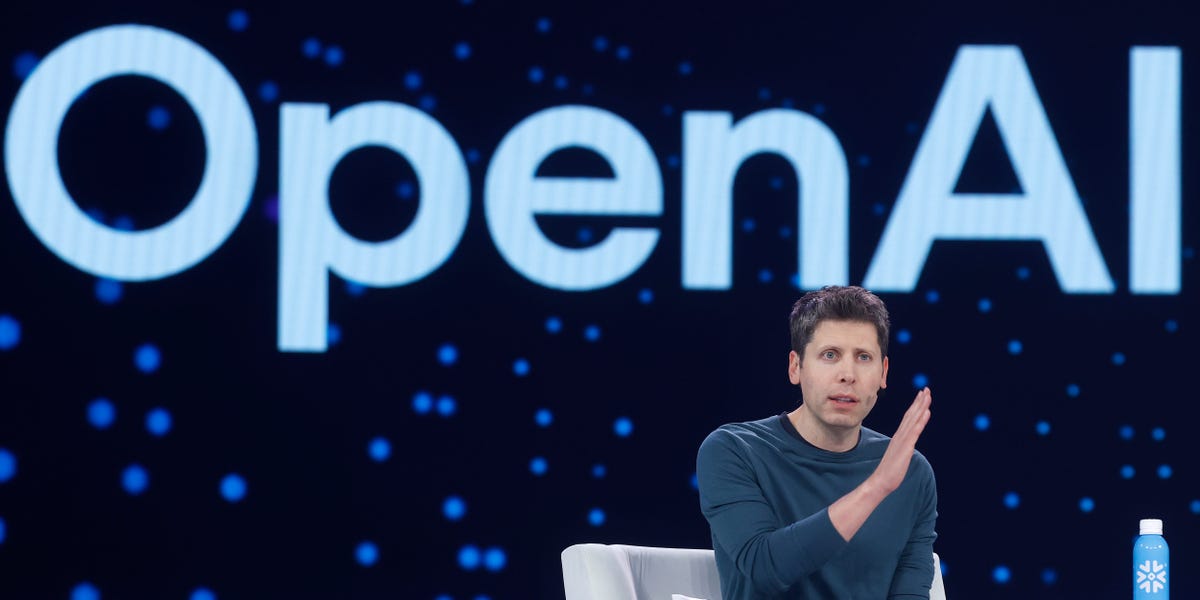
OpenAI is pursuing a full stack artificial intelligence strategy to gain control over its infrastructure and delivery. Moving beyond reliance on Microsoft Azure, the company aims for cloud independence by building proprietary data center capacity, customized hardware stacks and integrated software services. This approach targets better margin, tighter product integration and faster enterprise AI deployment.
Since 2019 Microsoft has invested more than $13 billion in OpenAI and provided the cloud capacity that helped ChatGPT scale rapidly. But dependence on an external hyperscaler created constraints on capacity, pricing and integration. When demand surged, the company experienced bottlenecks that exposed limits to relying on another company for critical AI infrastructure.
A full stack strategy can help OpenAI reduce costs and avoid vendor lock in by becoming cloud agnostic. Owning the critical pieces of infrastructure can unlock margin improvements and allow the company to future proof offerings for enterprise customers. It can also accelerate product roadmaps because fewer integration handoffs are required.
Building a standalone infrastructure ecosystem is capital intensive and operationally complex. OpenAI will need to demonstrate reliability comparable to established cloud providers and to scale without disrupting customer deployments. The transition increases exposure to regulatory scrutiny as vertically integrated AI providers reshape market dynamics.
For organizations evaluating AI suppliers, these shifts create both opportunity and uncertainty. Buyers should consider the following actions to safeguard their AI strategy:
OpenAI pursuing a full stack path could intensify competition among platform providers and spur innovation in AI infrastructure optimization. Microsoft may respond by enhancing its own AI platform or by deepening partnerships with other AI firms, creating more options for enterprise AI deployment. Other startups may emulate this approach, which could lead to a more diverse but complex ecosystem for enterprise customers.
OpenAI's full stack gamble is one of the boldest strategic bets in recent technology history. Success would position the company as a full infrastructure provider as well as a leader in model development. Failure could be costly given the scale of required investment. For enterprise decision makers the practical takeaway is clear: diversify AI partnerships, emphasize MLOps and portability, and plan for a future where control over infrastructure matters as much as model capability.
Actionable takeaway: Start mapping your AI supply chain now to reduce vendor lock in and to preserve bargaining power as infrastructure providers evolve.