OpenAI CEO Sam Altman warned that Google’s recent AI advances could create temporary economic headwinds, affecting product timing, pricing and partnerships. Businesses should monitor vendor roadmaps, plan for enterprise AI adoption, and build vendor agnostic skills.
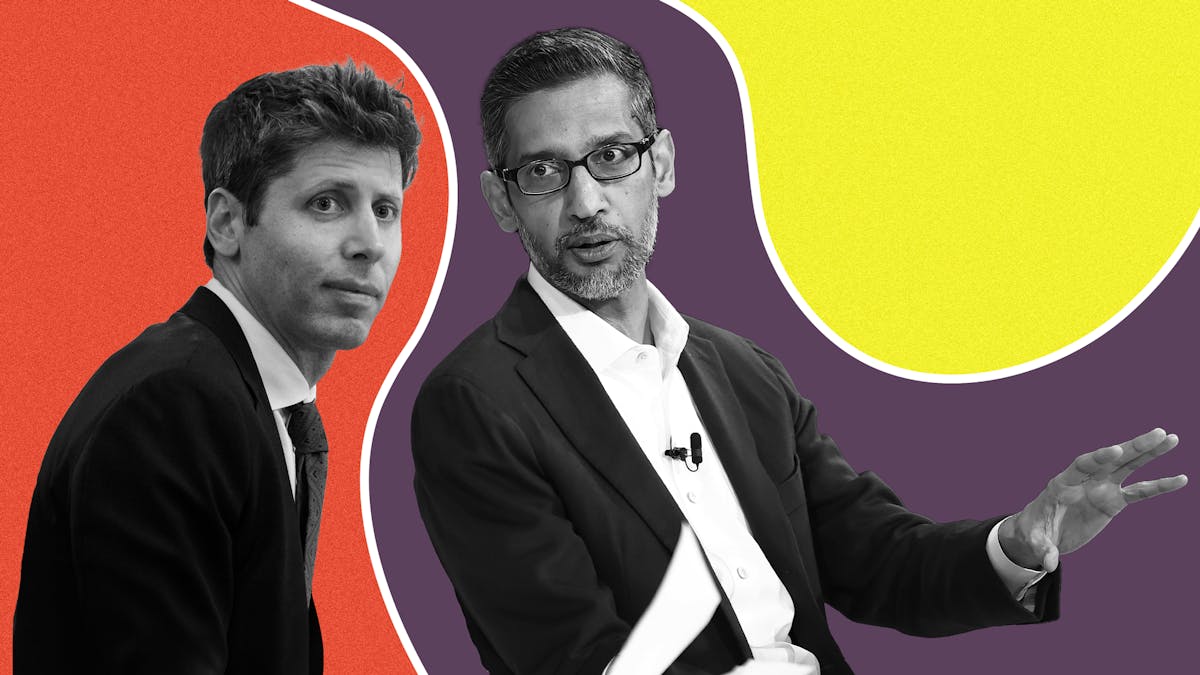
Last month OpenAI CEO Sam Altman told staff that recent advances at Google, including a newly reported AI system, could create "temporary economic headwinds" even as OpenAI expects to regain the lead. The candid note underscores intensifying AI competition and raises practical questions for businesses about product timing, pricing and partnership opportunities as enterprise AI adoption accelerates.
Competition among major AI providers has sharpened as generative AI models and machine learning breakthroughs reshape what is possible. When a leading vendor announces a new system, customer demand can shift quickly, affecting go to market timelines and commercial strategy. In this case The Information reports that Google developed a newly reported AI system and that Altman raised concerns roughly one month before the story published on 2025-11-21.
References to a "new AI system" generally mean a trained machine learning model or a suite of models plus software that deliver capabilities like language understanding, code generation or multimodal reasoning. These systems are part of the broader trend of real world AI deployments and scalable AI platforms that enterprises are evaluating for automation and transformation.
This episode shows that leadership in AI is dynamic. Competitive pressure often accelerates capability improvements that benefit end users, yet the cost of keeping pace is high for vendors. Smaller firms may face consolidation pressure as investment in talent, compute and model retraining grows. Firms that plan for variability by diversifying suppliers and building contractual safeguards will be better positioned to benefit from emerging capabilities.
OpenAI’s warning about "economic headwinds" signals a short term scramble at the top of the AI industry as Google and others advance. For enterprise buyers and small businesses the immediate takeaway is practical: expect potential shifts in product timing, pricing and partnership opportunities. Proactive review of vendor risk, clear roadmap discussions and investment in cross platform skills will help organizations navigate AI competition 2025 and the next wave of innovation.