Nvidia reported about $57 billion in Q3 revenue and issued bullish guidance, easing AI bubble concerns. CEO Jensen Huang highlighted partnerships with OpenAI, Anthropic, xAI and Saudi linked projects, signaling strong demand for AI infrastructure, Nvidia GPUs, and enterprise adoption of generative AI.
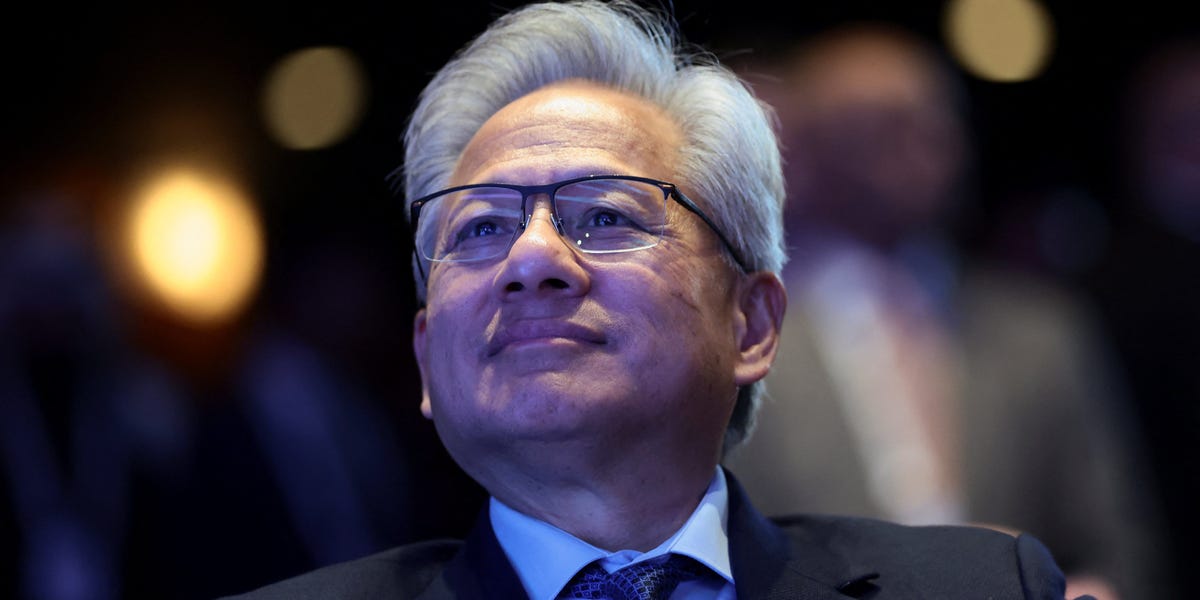
Nvidia’s Q3 results stunned markets with record revenue of roughly $57 billion and an upbeat forecast that helped calm short term concerns over an AI bubble. CEO Jensen Huang used the earnings call to reassure investors and to spotlight major partnerships with OpenAI, Anthropic, xAI and several Saudi linked projects. For businesses focused on AI infrastructure and automation, this quarter underscores persistent compute demand and the strategic role of Nvidia GPUs.
Nvidia sits at the center of modern AI because its GPUs power the large scale machine learning models behind automation, natural language processing, and generative AI. An AI chip is a specialized processor optimized to run many parallel calculations needed to train and deploy foundation models. When demand for these models rises, so does demand for Nvidia hardware and for cloud based AI infrastructure.
1. Validation of AI infrastructure investment. Nvidia’s performance acts as market validation that enterprises and cloud providers will continue to invest in the hardware layer of AI stacks. Continued access to powerful compute and Nvidia GPUs will make it easier for companies to scale automation initiatives, though supply and pricing can remain volatile.
2. Partnership driven ecosystem consolidation. Collaborations with OpenAI, Anthropic, and xAI illustrate an ecosystem consolidating around a few dominant hardware and software providers. That co alignment between model builders and chip makers can speed up product development, but it also concentrates risk around supplier and partner concentration.
3. Geopolitics and reputation matter. Saudi linked investments can accelerate deployment of data center capacity and AI infrastructure in specific regions. At the same time, sovereign linked deals invite scrutiny from regulators, customers, and civil society. Firms should balance short term commercial gains with long term risk to brand and compliance.
4. Compute demand and hyperscalers. Hyperscalers remain a major driver of compute demand for Nvidia GPUs as they build out cloud AI services and foundation model hosting. This demand dynamic shapes supply chain priorities and can influence enterprise access to advanced AI compute.
5. Governance and workforce implications. Sustained investment in faster, cheaper compute lowers barriers to deploying automation at scale. Organizations should invest in AI governance, responsible AI practices, and reskilling programs so human teams evolve from routine tasks to oversight, model tuning, and governance roles.
Nvidia’s roughly $57 billion quarter and bullish guidance did more than exceed expectations. The results strengthened the case that AI and automation investments will maintain strong demand for specialized hardware and for scalable AI infrastructure. At the same time, the earnings call highlighted persistent questions about customer concentration and geopolitics that businesses and policymakers must address as the market for generative AI and foundation models matures. Watch how competitors, cloud providers, and regulators respond to see whether this quarter becomes a lasting milestone in sustainable AI adoption or a short lived surge.