Meta launched the Meta Ray Ban Display AI smart glasses at $799, pushing premarket shares up. The device pairs on device AI, open ear audio, and a camera to push wearable AI into the mainstream, but comfort, battery life and privacy remain key adoption hurdles.
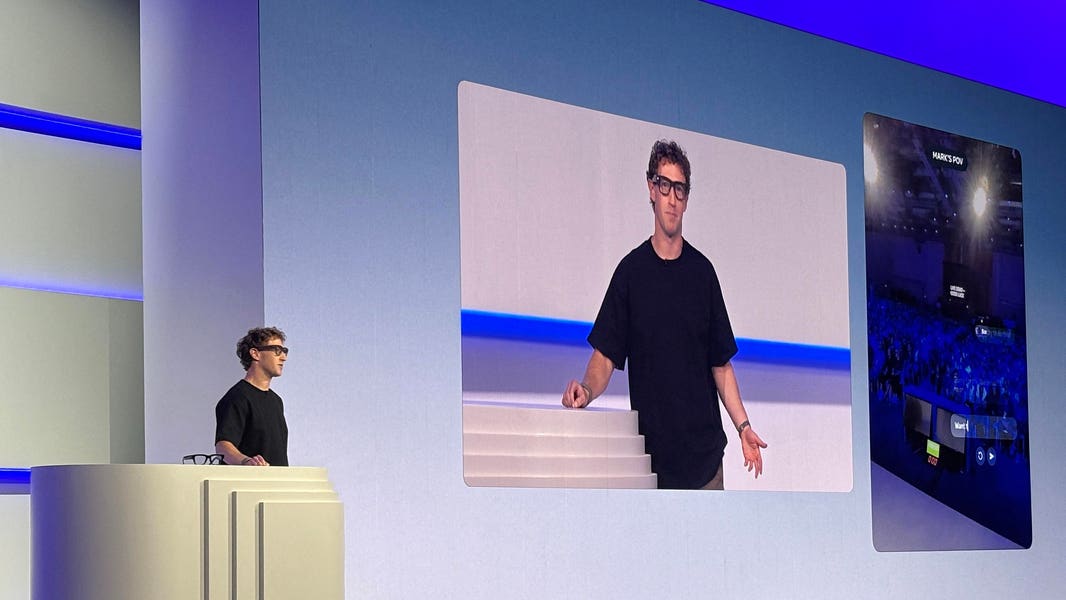
Meta unveiled the Meta Ray Ban Display AI smart glasses on September 18, 2025, with a $799 price tag and a bold claim from CEO Mark Zuckerberg that the device is an ideal form factor for personal superintelligence. The announcement lifted Meta shares in premarket trading and underscored the company s push to make wearable AI devices part of everyday life. Still, questions about comfort, battery life and privacy may shape how quickly mainstream consumers embrace this next generation of smart eyewear.
Meta is combining fashion branding with advanced on device AI to move augmented reality and AR experiences out of labs and into daily routines. By licensing the Ray Ban frame and embedding a smart glasses with camera, open ear audio and sensors, the company aims to solve two persistent problems: delivering useful AI features without constant cloud round trips and making the device comfortable and attractive enough to wear often.
On device AI means the glasses can perform tasks such as object recognition, live transcription and simple scene understanding directly on the device processor. That reduces latency for hands free interactions, improves responsiveness for voice driven workflows and can help preserve privacy by limiting how much raw audio and video leave the device.
The Meta Ray Ban Display launch highlights a few likely outcomes for the market and for organizations exploring wearable automation:
To reach users searching for AI smart glasses and wearable AI devices, content should include conversational queries such as how do AI smart glasses work, benefits of wearable AI devices and smart glasses for remote collaboration. Optimizing for voice search and multimodal queries, using FAQ schema and clear product descriptions will help articles and product pages appear in generative and voice driven search results.
The Meta Ray Ban Display is a strategic step toward making wearable AI a part of daily life. Combining a recognizable frame with on device AI and integrated sensors, the glasses point to a future where hands free intelligence assists work and personal tasks. Whether mainstream consumers embrace the device will depend on comfort, battery reliable performance and privacy safeguards. For companies and product teams, the lesson is clear: successful wearable automation needs not only cutting edge AI but also thoughtful industrial design and strong privacy engineering.
Discover how wearable AI is evolving and explore whether the Meta Ray Ban Display delivers the hands free experience people expect from next generation smart technology.