Jeff Bezos has taken an active executive role at a newly backed AI startup with about $6 billion in capital and under 100 employees. His operational focus can accelerate commercialization, reshape enterprise AI deployment, and influence investor confidence and talent flows.
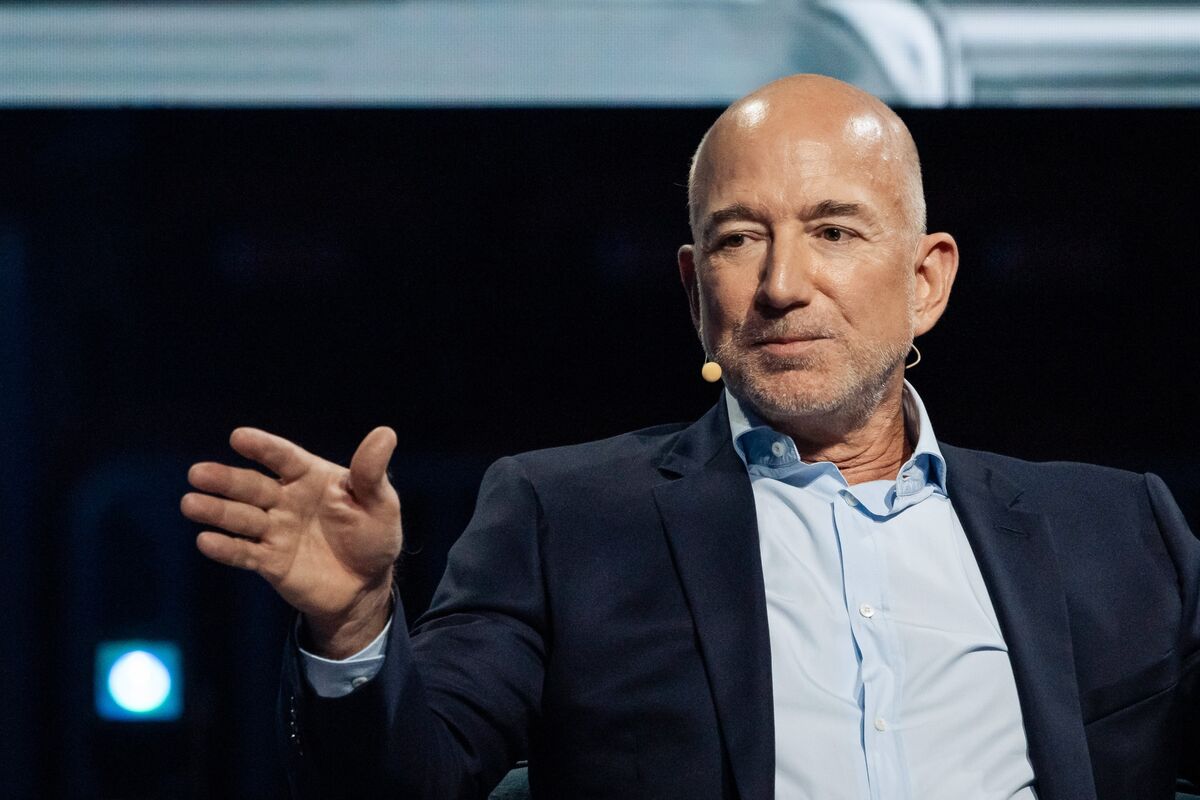
Jeff Bezos is returning to active executive leadership at a newly launched AI venture, Bloomberg reports, shifting a small company backed with about $6 billion in capital into a focal point for industry watchers. With fewer than 100 employees currently on the payroll, the venture moves from an early stage research group into a startup with serious resources and high expectations. Could Bezos style of disciplined execution accelerate the commercialization of next generation AI technology and change enterprise AI deployment timelines?
Bezos built Amazon by emphasizing operational rigor, customer obsession, and long term thinking. Applying that playbook to an AI startup creates a rare blend: deep capital resources together with a founder who enforces metrics, ownership, and process discipline. That combination matters for several reasons tied directly to current AI investment trends 2025 and the broader push to commercialize AI technology.
Large scale capital plus disciplined execution typically compress the time between prototype and product market fit. With $6 billion available, this startup can invest heavily in compute infrastructure, data acquisition, and senior talent to move from model research to AI as a service offerings. In other words, commercializing AI technology becomes a near term priority rather than a distant objective.
Expected outcomes include:
A founder with Bezos profile attracts senior talent and creates recruiting pressure across the market. Competitors may respond with accelerated hiring, revised product roadmaps, or strategic partnerships to protect market position. For investors, Bezos hands on role reduces some uncertainty and can sustain higher valuations. That said, expectations for measurable outcomes will rise alongside runway length, so investor patience may be contingent on clear milestones.
Translating Amazon style management to an AI research organization requires balancing experimentation with reproducibility and deployment discipline. Bezos emphasis on metrics and ownership can speed productization, but it also risks shifting incentives away from exploratory research toward commercial outcomes. The most successful path often blends both approaches by creating teams that focus on foundational innovations while parallel groups drive integration and customer adoption.
Jeff Bezos taking an active executive role in a $6 billion backed AI startup turns a small team into an industry focal point. The mix of high profile leadership, substantial capital, and process driven management increases the probability of rapid scale up and aggressive market entry. For businesses and investors, the development is a reminder that model breakthroughs matter, but the ability to deploy and operate AI at scale often decides who captures commercial value.