XPENG unveiled its second generation humanoid IRON with lifelike movement, a solid state battery, and a multimodel AI brain. Viral demos and a brief Elon Musk comment spotlight a competitive shift in commercial humanoid robotics, emphasizing integration, supply chain scale, and clear use cases.
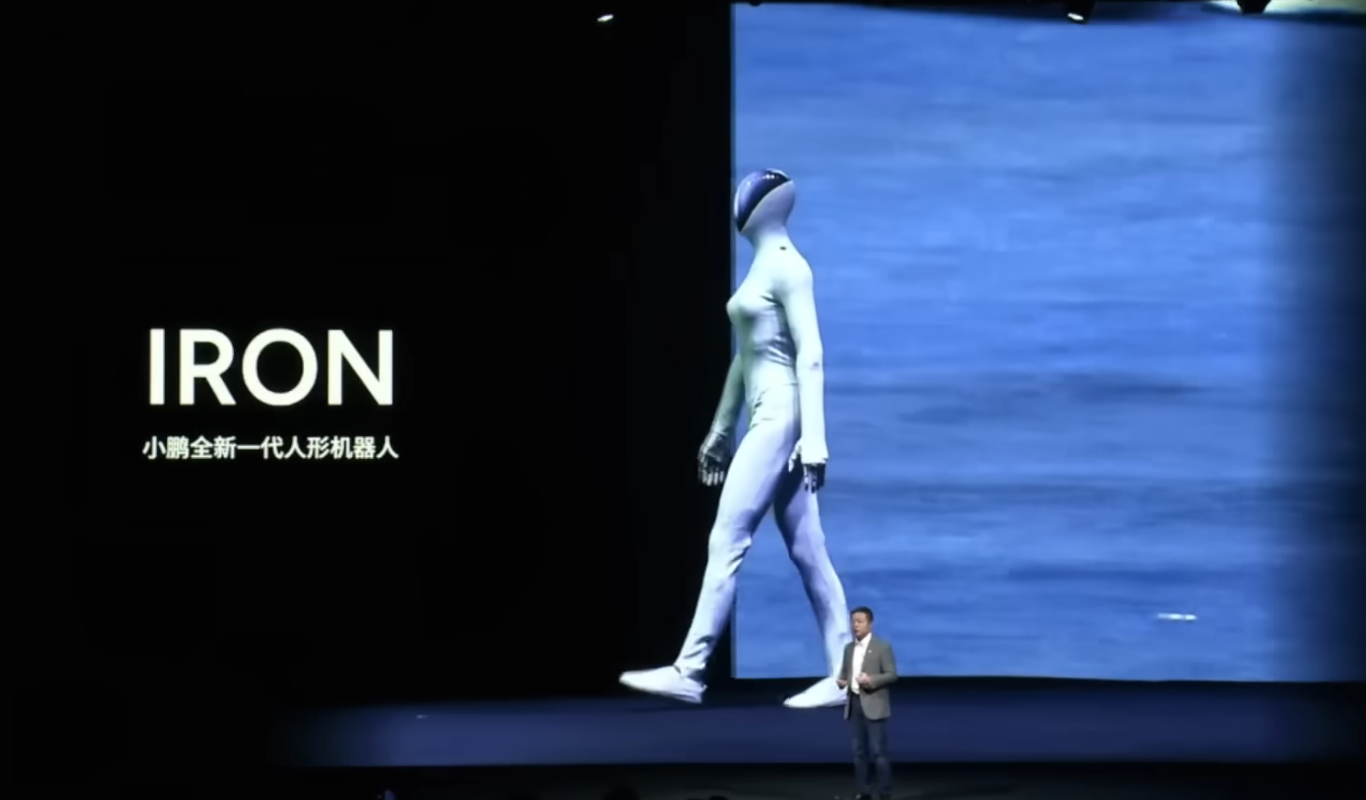
XPENG’s reveal of its second generation humanoid robot IRON at its 2025 AI Day in Guangzhou captured widespread attention and even prompted a short, collegial comment from Elon Musk: "Not bad." Beyond the sound bite, IRON highlights a trend worth watching for enterprises and investors: companies are moving from isolated breakthroughs to integrated, commercially minded humanoid robotics.
Humanoid robotics is shifting from lab demos toward products that teams can implement, deploy, and scale. IRON bundles several practical advances into a single demo: more lifelike locomotion, a solid state battery for longer operating time, and a multimodel AI brain combining VLT, VLA, and VLM for perception planning and language understanding. That combination improves the robot s readiness for real world tasks and use cases where robotics can boost productivity and deliver measurable ROI.
The viral videos and public reactions show that perception and market narrative matter as much as the technical pieces. Musk s acknowledgement functions as validation that the demo is credible and that the competition between Tesla and Chinese companies is now a public narrative that can accelerate funding hiring and partnerships in the field.
IRON demonstrates that combining improved locomotion power and multimodel AI yields systems closer to deployable robotics. Firms that can integrate hardware software and AI will be advantaged.
Commercial success depends on chips sensors assembly and after sales support. China s manufacturing base and vertically integrated supply chains can shorten the path from prototype to production and create cost advantages.
Early commercial traction will come in repetitive high value settings such as advanced manufacturing logistics retail and specialized services. Buyers will ask how robotics improve accuracy in manufacturing and how to optimize robotics workflows to lower total cost of ownership.
Regulators must clarify safety and liability rules. Companies should plan training programs so workers can move into robot supervision programming and maintenance roles.
XPENG s IRON aligns with wider automation trends where generative AI digital twins and edge computing are enabling more capable robots. The short answer is that leadership in humanoid robotics will go to companies that can iterate quickly secure reliable components and deploy robots into clear first markets where they transform workflows and boost measurable outcomes.
IRON is a milestone more than a finished product. The takeaway for businesses and investors is to watch integration supply chain and go to market strategy not just the choreography of demos. Start planning pilot programs evaluate where humanoid robots can enhance productivity and consider partnerships that help you implement and scale robotic automation.
XPENG positions IRON as a step toward commercial deployment but wide availability depends on scaling manufacturing battery life and proving use cases in pilots.
The combination of lifelike movement a solid state battery and a multimodel AI brain is designed to improve endurance autonomy and task flexibility compared with single feature demos.
Advanced manufacturing logistics retail and specialized service roles are likely early adopters because robots can reduce repetitive tasks and increase throughput.
Start with a guide to identify high impact pilot areas build internal expertise for robot supervision and maintenance and explore partnerships to integrate robotics into existing workflows.