Grab will invest an initial $60 million in German teledriving startup Vay with the option to scale funding to up to $410 million tied to revenue and expansion milestones. The move backs remote driving and human in the loop mobility as a near term alternative to full autonomy.
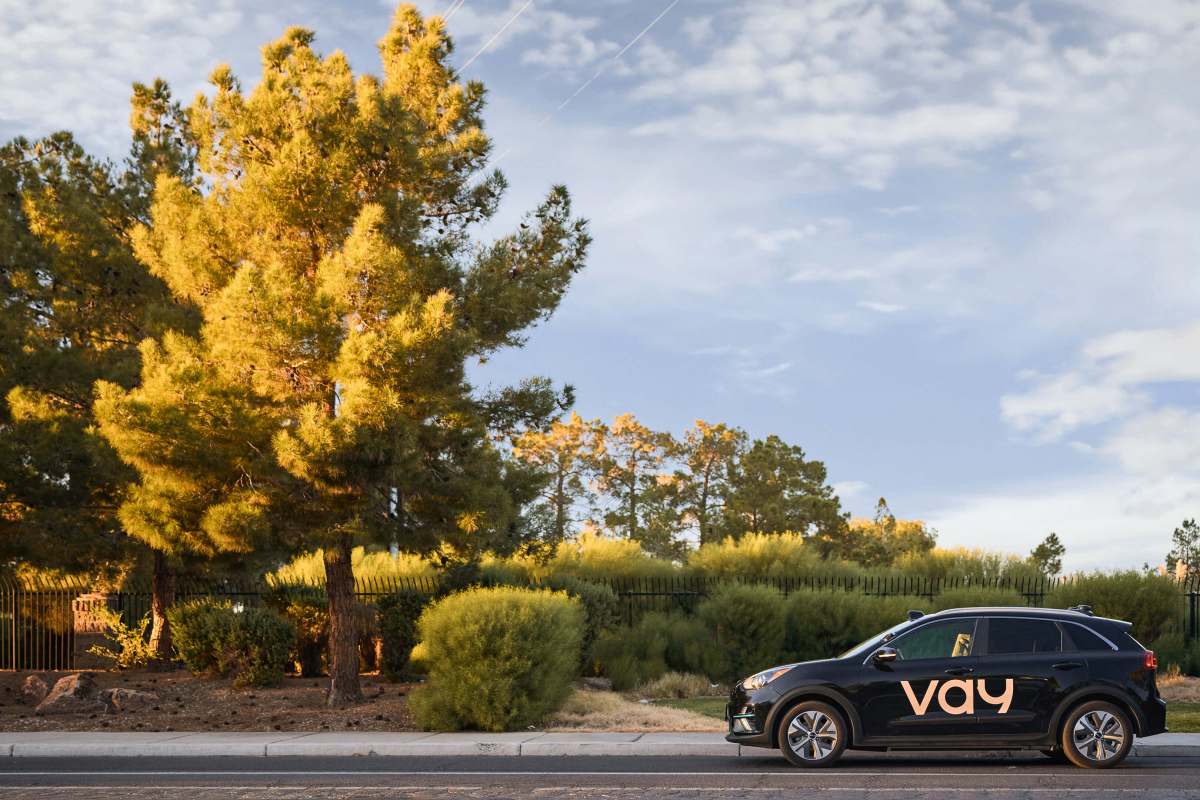
Grab announced a strategic investment in German remote driving startup Vay that starts with a $60 million tranche and can scale to up to $410 million if Vay meets agreed performance and expansion milestones. The arrangement, which is subject to regulatory approvals and customary closing conditions, is expected to close in Q4 2025.
Remote driving and teledriving use trained remote drivers to operate vehicles from a distance via high bandwidth connections, camera feeds, and control interfaces. In Vays model, teledrivers at remote stations deliver remote controlled rental cars to customers, who then drive normally during their rental period. This human plus automation approach addresses complex urban safety challenges and regulatory hurdles that have slowed fully autonomous vehicle rollouts.
By backing Vay, Grab is placing a bet on remote driver technology as a scalable near term mobility solution. Human in the loop systems can speed deployment and reduce technical risk compared with pursuing full autonomy right away. For mobility platforms, remote driving can become an operational layer that improves on demand vehicle delivery and fleet logistics.
Teledriver roles blend driving skills with remote monitoring and situational judgment. While some local driving jobs may shift, new remote roles will emerge that require different training and ergonomics considerations. Regulators and employers will need to address hours, cross border labor rules, and safety standards as programs scale.
Wider adoption depends on regulators accepting remote control operations on public roads. Clear safety standards, incident reporting, and data sharing rules will be critical. Grabs experience as a regulated mobility operator could help Vay navigate approvals across ASEAN markets and in the U S, but each jurisdiction will need a tailored compliance approach.
Integrating remote driving into Grabs super app could reduce fleet downtime, speed vehicle positioning, and improve customer experience across rental and ride services. The human plus AI model also aligns with mobility as a service strategies that prioritize reliability and measurable commercial outcomes.
Grabs conditional commitment of up to $410 million to Vay signals growing industry interest in remote driving as a practical path toward smarter mobility. Watch for regulatory approvals, Vays progress on revenue and U S rollouts that unlock further funding, and how teledriver roles are structured as pilots scale. Companies should monitor pilots closely and invest in workforce retraining and regulatory engagement to be ready for this near term mobility shift.