Tesla is accelerating a nationwide Robotaxi rollout after Elon Musk’s public deadlines, aiming to operate in 8 to 10 US cities by year end and hiring dozens for support, vehicle incident response, logistics and insurance. Impacts include safety, jobs, regulation, and urban mobility.
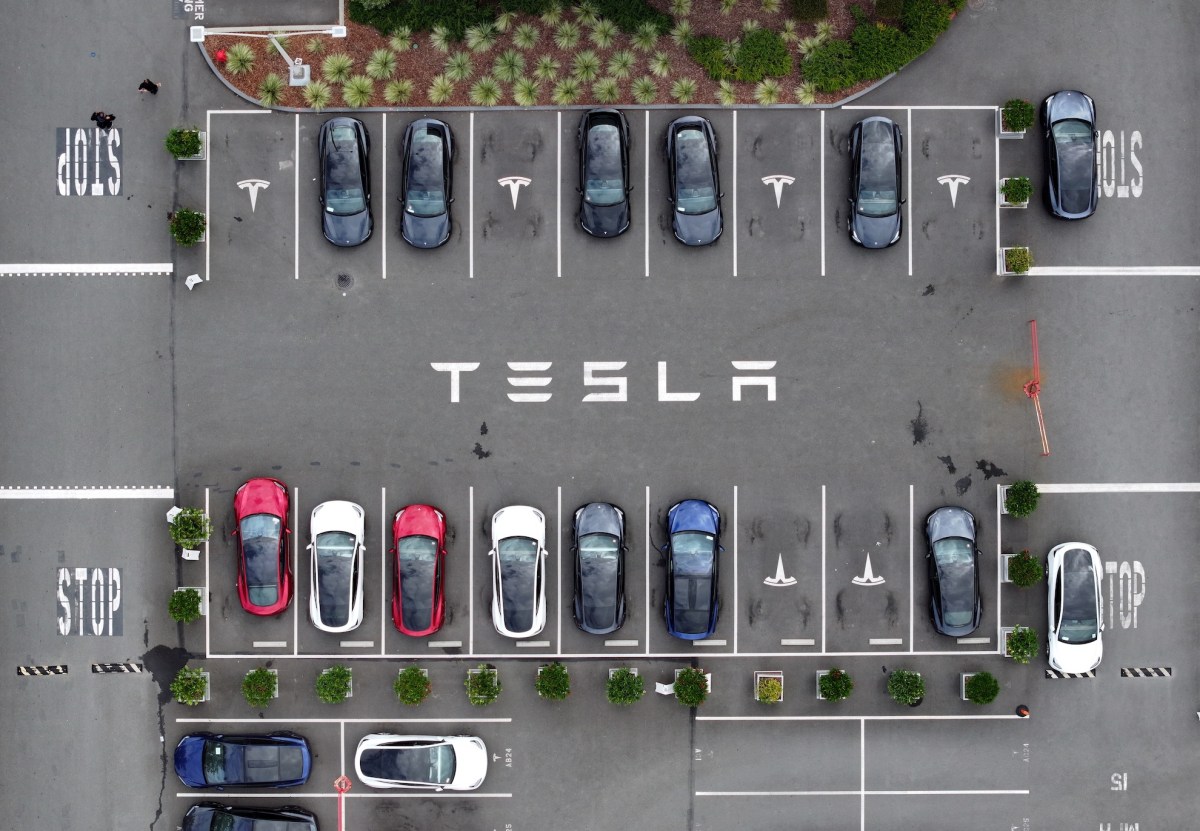
Tesla is accelerating a nationwide Robotaxi rollout after CEO Elon Musk’s public deadlines and pointed threats, with the company recruiting heavily to meet ambitious year end goals. According to TechCrunch, Tesla aims to operate its Robotaxi service in roughly 8 to 10 US cities by the end of the year and has posted dozens of job openings to support the expansion. This push touches core topics in autonomous vehicles 2025 including AI deployment, safety, jobs, and urban mobility transformation.
Robotaxis are autonomous vehicles purpose built for ride hailing without a human driver. They combine AI perception, vehicle control software, mapping, and fleet logistics to replace or augment human drivers. The industry measures autonomy on a 0 to 5 scale with Level 4 to Level 5 representing high to full autonomy. Most deployments so far have focused on limited geofenced areas and required significant human oversight. Tesla’s compressed timeline compresses testing, hiring, and regulatory engagement into a short window, putting pressure on operations and local authorities to respond quickly.
How safe are Tesla Robotaxis in 2025? Rapid rollouts raise the risk of higher intervention rates and more frequent edge case scenarios. Tesla’s hiring for vehicle incident response signals an expectation of near term interventions while models adapt. Regulators will be watching closely which could accelerate rulemaking around reporting, liability, and public safety transparency. To build public trust, Tesla will need to prioritize transparent incident handling, uptime reporting, and real world safety metrics.
Dozens of new roles could create near term local hiring opportunities but long term effects may look like job transformation rather than net job growth. Routine driving work may decline over time while jobs in fleet oversight, safety auditing, insurance claims, and AI data operations grow. Small businesses that depend on ride hailing or private vehicle ownership may see demand shifts for parking, rentals, and maintenance as shared AI powered taxis scale.
Tesla’s public timeline functions as both a technical commitment and a market signal aimed at shaping investor, partner, and regulator expectations. The urgency will push competitors to accelerate or differentiate, which could drive faster commercialization of Level 4 autonomous driving across multiple firms and platforms.
If Tesla can deliver reliable Robotaxi service at scale, consumers could see lower per ride costs and reduced need for private vehicle ownership in urban cores. However consumer adoption depends on consistent safety performance, transparent incident response, and clear regulatory compliance. Early missteps may slow adoption and trigger stricter urban mobility regulations.
This move aligns with a broader pattern in automation where firms prioritize rapid deployment to secure market share even while operational wrinkles persist. The combination of competitive signaling and AI driven testing mirrors trends in autonomous vehicle development and highlights the role of edge case simulation and real world data in improving systems.
Tesla’s push to launch Robotaxis in 8 to 10 cities by year end will test whether fast, market driven deployment can coexist with safety, regulatory scrutiny, and workforce transition. Businesses and local governments should prepare for operational impacts from new jobs in incident response to evolving demand for mobility services. Watch incident rates, regulatory responses, and competitor reactions to see whether this acceleration becomes a blueprint for autonomous vehicle deployment or a cautionary example for the industry.