SoftBank and OpenAI formed Crystal Intelligence, a 50 50 joint venture to sell enterprise AI tools in Japan. The deal raises a circular money concern where capital may circulate among investors rather than creating customer value, with implications for procurement, pricing, and regulators.
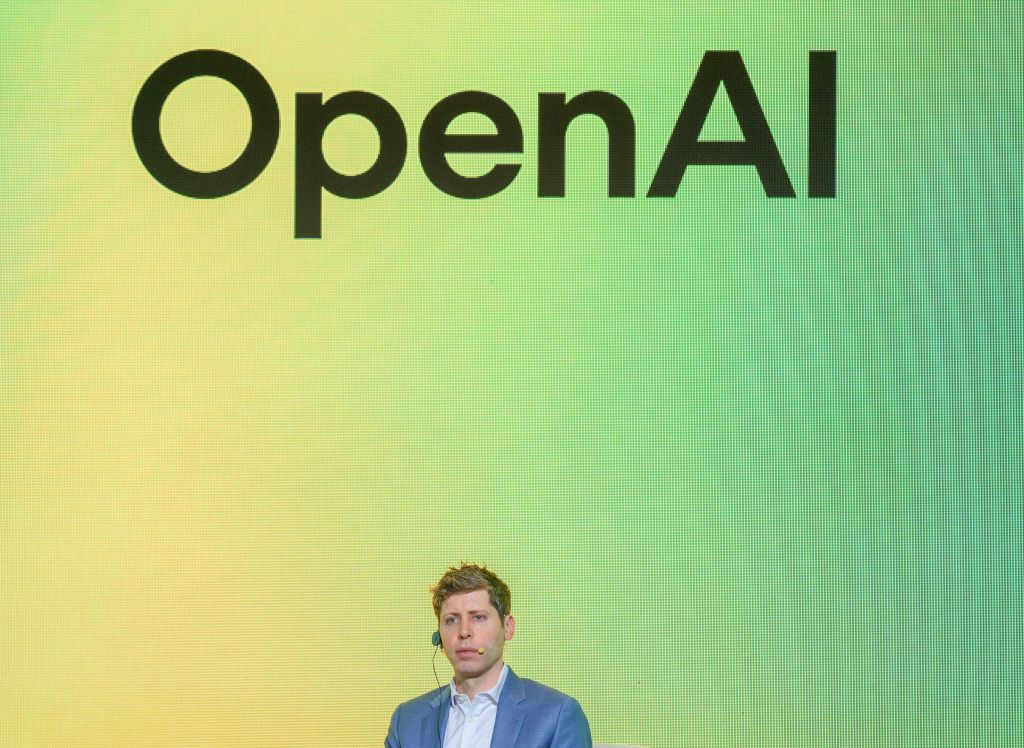
SoftBank and OpenAI this week announced a 50 50 joint venture called Crystal Intelligence to sell enterprise AI tools in Japan. At first glance this looks like a straightforward international expansion that leverages brand recognition and distribution scale. Yet the arrangement has drawn attention for what TechCrunch calls the circular money problem, where commercial revenues can flow back to the same investor group instead of generating fresh value for customers.
In plain terms, the circular money problem describes situations where investor relationships and equity stakes create internal financial loops. When a vendor is backed by or partnered with an investor that also acts as a customer or distribution partner, payments for AI products may be redirected through ownership returns, service contracts, or management fees. That can reduce transparency around enterprise AI pricing models and total cost of ownership.
When major deals primarily recycle capital among a small group of firms, smaller vendors that reinvest revenue into product development may be disadvantaged. That dynamic can reduce competitive pressure on prices and slow innovation in the enterprise AI ecosystem. For procurement leaders evaluating AI joint ventures, the critical questions are whether the offering delivers measurable business outcomes and whether pricing is aligned to those outcomes.
Enterprise decision makers and procurement teams should adopt a checklist approach when evaluating AI partnerships and vendor relationships. Consider these actions:
Observers and regulators will likely focus on whether joint ventures like Crystal Intelligence concentrate market power in ways that harm competition or obscure pricing. Corporate governance reviews and competition inquiries may examine whether capital flows materially affect market behavior or customer outcomes. For vendors and investors, transparency and strong governance can reduce regulatory risk and build buyer trust.
Major investors are increasingly active across start ups, vendors, and distribution channels as enterprises accelerate adoption of generative AI. This makes vendor transparency and procurement best practices more important than ever. Buyers are shifting from feature checklists to outcome oriented procurement that prioritizes vendor accountability, measurable savings, and compliance with internal and external standards.
The Crystal Intelligence JV illustrates how AI joint ventures can speed market entry while also creating governance and transparency questions. Procurement teams and enterprise buyers should focus on independent performance metrics, transparent pricing, and explicit contractual protections to ensure deals deliver real business value.
Call to action: Download a guide to enterprise AI vendor evaluation or contact us for a procurement checklist that helps procurement teams compare AI joint ventures against independent vendors. Ensure your next AI procurement emphasizes vendor transparency, measurable outcomes, and regulatory readiness.