A federal jury ordered Apple to pay Masimo $634 million for infringing pulse oximetry patents used in the Apple Watch. The Masimo Apple verdict highlights risks for Apple Watch patent infringement, wearable health sensors, AI health monitoring, and medical device IP for product roadmaps.
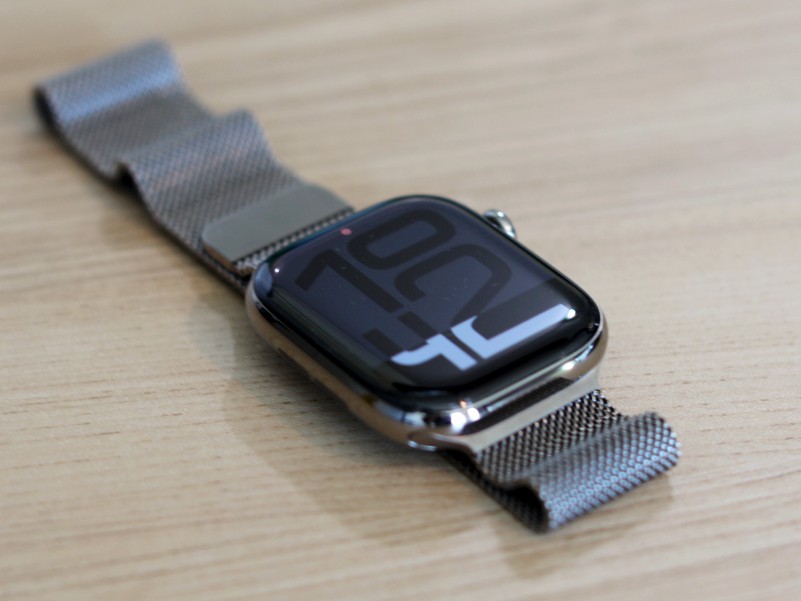
A U.S. federal jury ruled that Apple must pay Masimo $634 million for infringing a patent on blood oxygen monitoring technology used in the Apple Watch. The verdict, handed down November 15, 2025, underscores how intellectual property disputes over medical sensing can ripple into consumer wearables and the AI driven health features they enable. Could this judgment force changes to how companies build, license, and automate health monitoring in smartwatches?
Pulse oximetry measures the percentage of oxygen in a person’s blood using light passed through the skin. In plain terms, it is a non invasive sensor and a set of signal processing techniques that estimate blood oxygen saturation. Wearable technology began adding pulse ox sensors to offer users health signals such as sleep oxygen levels and activity related oxygen metrics. Those readings are often processed by embedded software and cloud based analytics that use automated algorithms and increasingly AI models to interpret trends and flag anomalies for users.
The legal dispute centers on whether Apple used Masimo’s proprietary pulse oximetry sensor designs and related methods without appropriate licensing. For consumer device makers, the ability to integrate medical grade sensing into vast installed bases depends on both technical access and clear licensing pathways, and the Masimo Apple verdict is likely to affect freedom to operate assessments across the industry.
Pulse oximetry in a watch combines a light emitting module, photodetectors, and signal processing algorithms. The sensor hardware reads changes in reflected light, and software separates true physiological signals from noise. Both the hardware design and the signal processing methods are commonly the subject of patents because small differences can materially affect accuracy on a wrist.
So what does a $634 million judgment mean for the industry?
Costs and risk management are also in focus. A single multimillion dollar verdict can alter the return on investment calculation for integrating advanced sensors. For companies building AI driven health features, legal risk becomes another variable alongside technical performance and user privacy.
Masimo framed the decision as vindication of its medical device IP. Apple’s likely legal response will be an appeal, which could prolong uncertainty. Independent observers note that courts are increasingly asked to adjudicate disputes at the intersection of consumer electronics, health technology, and automated data interpretation.
The jury’s $634 million award to Masimo is more than a financial penalty. It is a legal signal that the technical building blocks for pulse oximetry and related automated health features are protectable and litigable. For Apple and other device makers, the ruling raises questions about how to balance innovation speed with licensing, compliance, and the responsibilities that come with automated health monitoring. Businesses developing AI driven health features should expect increased scrutiny and plan accordingly. Will this shift lead to more collaboration between tech firms and medical device specialists, or will companies try to engineer around patents at the expense of rapid feature rollout? That is the key question to watch next.