IEA finds $580 billion will be invested in AI data centers in 2025, $40 billion more than new oil supply investment. This shift raises concerns about energy consumption, water use, carbon footprint, grid stability and business risks for companies using AI compute.
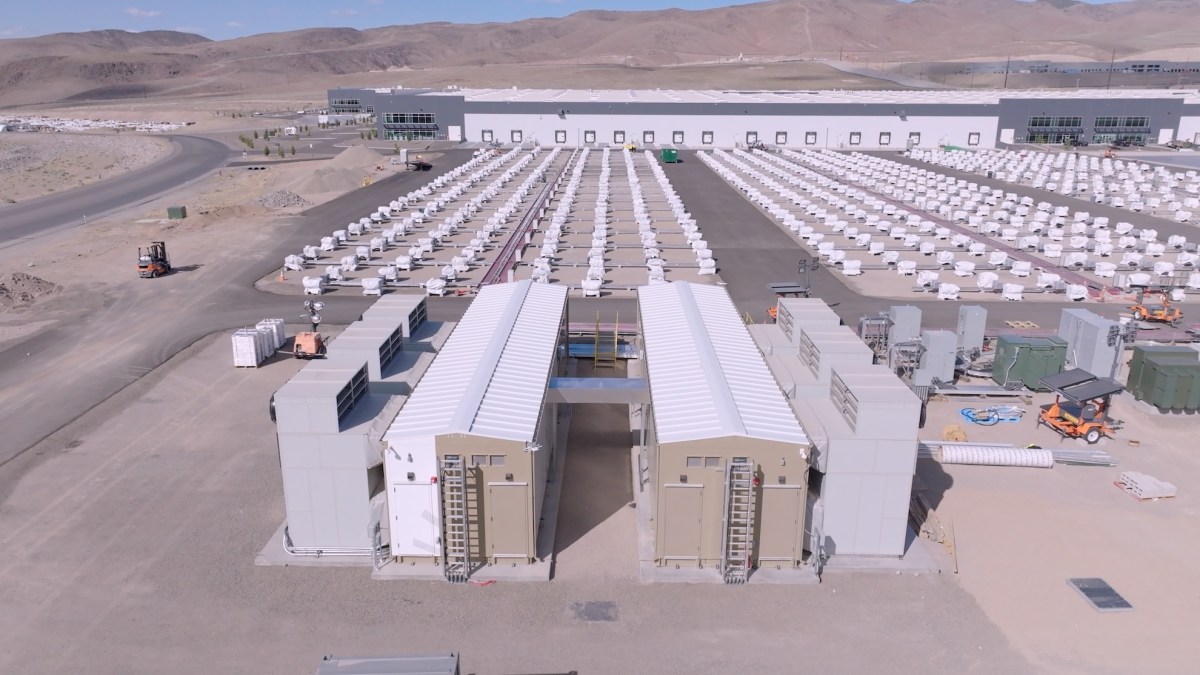
A new International Energy Agency finding reported by TechCrunch estimates that $580 billion will be invested globally in AI data centers in 2025. That sum is $40 billion more than projected spending on new oil supplies for the same year. The comparison frames data centers as strategic infrastructure with major implications for energy consumption, environmental impact and local communities.
Data centers concentrate compute power that fuels generative AI and cloud services. Like oil fields they attract large capital and create local economic effects. The IEA figure highlights the scale of the AI data center investment and calls attention to the AI data center environmental impact, including higher electricity demand and water consumption.
If the new AI compute demand is met with fossil based electricity, overall carbon emissions could rise even as IT hardware gets more efficient. Businesses and policymakers should evaluate data center carbon emissions and renewable energy data centers as part of sustainability planning. Monitoring metrics such as PUE and water use intensity helps make vendor claims verifiable.
Water consumption is a growing concern for hyperscale data centers. Some estimates project billions of gallons of annual water use in coming years for large AI focused facilities, making water management a critical part of site selection and community engagement.
Concentrated power demand from AI workloads can stress local grids. System operators may need upgrades, storage additions, or demand management measures, with costs passed on to ratepayers or taxpayers. Businesses should consider geographic diversification and ask providers how they plan to integrate renewable energy and grid services to reduce systemic risk.
For non technical business leaders the shift means assessing supply chain and reputational risk tied to high carbon infrastructure. Companies should ask vendors for transparency on PUE, renewable energy sourcing, and water use. Incorporate those factors into total cost of ownership models and procurement contracts to manage regulatory exposure and community opposition.
The IEA backed finding that $580 billion will be spent on AI data centers in 2025 reframes these facilities as a new class of strategic infrastructure. That status brings opportunity and responsibility. Policymakers, utilities and corporations must coordinate so the AI infrastructure build out prioritizes renewable energy, water efficient cooling and grid resilience. If data centers are the new oil fields the key question is whether they will run on low carbon energy or drive another wave of resource strain.
Note: For further reading look for coverage that explores how generative AI is driving up global energy demand in 2025 and practical strategies to reduce the carbon footprint of AI driven data centers.